
How to Tell Burmese Jade vs Guatemala Jade
How to Tell Burmese Jade vs Guatemala Jade
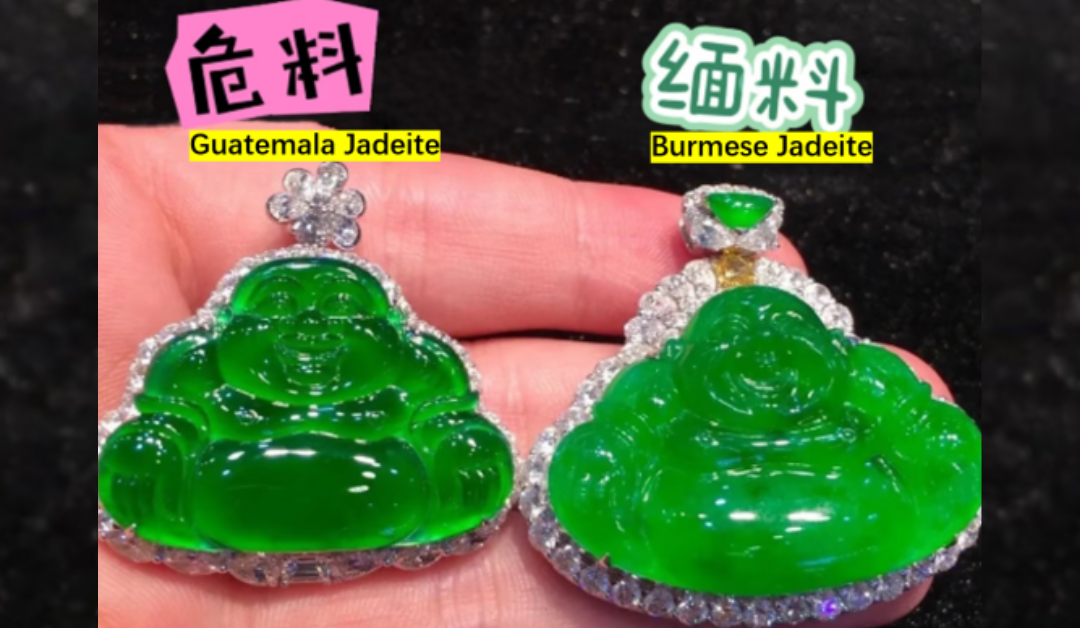
When it comes to premium jadeite, understanding the difference between Burmese jade vs Guatemala jade is essential for collectors, investors, and jewelry buyers. The origin of jadeite significantly affects its value, rarity, and overall appearance. While both types can look similar at first glance, there are key differences that help distinguish them.
Burmese Jade vs Guatemala Jade: Color Tone Differences
Warm vs Cool Undertones in Burmese Jade vs Guatemala Jade
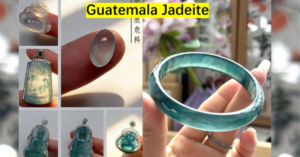
One of the most important indicators in identifying Burmese jade vs Guatemala jade is the color tone. Burmese jadeite typically shows a warm, vibrant glow, even in deep green shades like imperial green. In contrast, Guatemala jadeite often appears cooler, with bluish or grayish undertones.
How to Observe Color in Burmese Jade vs Guatemala Jade
Under natural daylight, Burmese jade looks brighter and more lively, while Guatemala jade may appear darker and less saturated—especially when viewed from different angles. Rotating the stone helps reveal how stable the color remains.
Burmese Jade vs Guatemala Jade
Burmese Jade vs Guatemala Jade: Light Performance
Living Light vs Surface Reflection in Burmese Jade vs Guatemala Jade
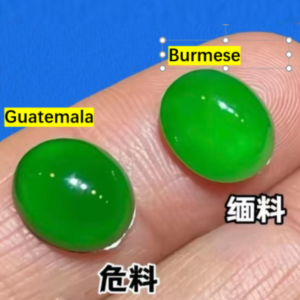
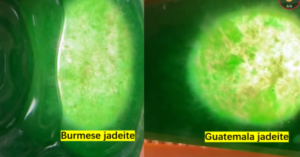
Another key difference in Burmese jade vs Guatemala jade is how light interacts with the stone. Burmese jadeite is known for its “living light,” where light enters and diffuses within the stone, creating a soft, moving glow.
Guatemala jadeite reflects more light from the surface, making it appear flatter and less dynamic.
How to Test Light Performance
Hold the jade near a natural light source and rotate it slowly. Burmese jade will show internal movement of light, while Guatemala jade will reflect light more statically.
Living Light vs Surface Reflection in Burmese Jade vs Guatemala Jade
Burmese Jade vs Guatemala Jade: Thickness and Structure
Thickness Impact on Burmese Jade vs Guatemala Jade
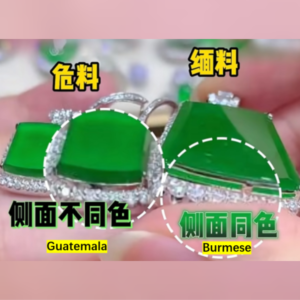
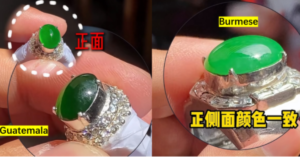
Burmese jadeite maintains its beauty even when cut thicker. Its color remains stable, and the stone continues to glow from within. Guatemala jadeite is more sensitive to thickness and is o
Burmese Jade vs Guatemala Jade Thickness and Structure
ften cut thinner to enhance its appearance.
Crystal Structure Differences in Burmese Jade vs Guatemala Jade
Burmese jade has a fine, compact crystal structure, giving it a smooth appearance. Guatemala jade tends to have a slightly grainy or coarser texture, sometimes visible under magnification.
Burmese Jade vs Guatemala Jade Clarity and Inclusions
Burmese Jade vs Guatemala Jade: Clarity and Inclusions
Inclusion Patterns in Burmese Jade vs Guatemala Jade
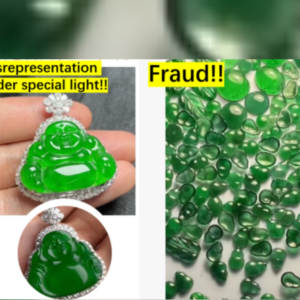
In Burmese jade vs Guatemala jade, inclusions appear differently. Burmese jadeite often shows soft, mist-like inclusions that blend naturally into the stone.
Guatemala jadeite may have more noticeable inclusions, such as darker spots or clustered patterns.
Burmese Jade vs Guatemala Jade Color Distribution
Burmese Jade vs Guatemala Jade: Color Distribution
Blended vs Segmented Color in Burmese Jade vs Guatemala Jade
Color distribution is another distinguishing factor in Burmese jade vs Guatemala jade. Burmese jade typically has smooth and natural color transitions.
Guatemala jade often shows more segmented or patchy color areas, with visible boundaries between colors.
How to Tell Burmese Jade vs Guatemala Jade (7)
Final Thoughts on Burmese Jade vs Guatemala Jade
Understanding the differences between Burmese jade vs Guatemala jade helps buyers make informed decisions, especially when investing in high-quality jadeite jewelry. By observing color tone, light performance, structure, clarity, and color distribution, you can more confidently identify the origin and value of your jade.